
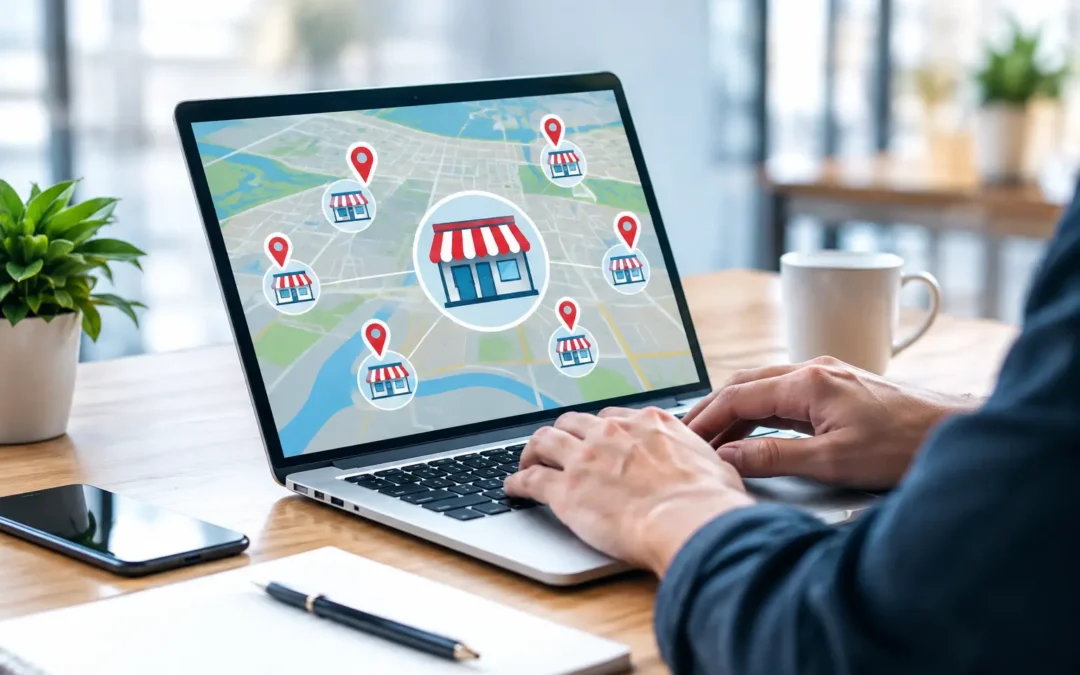
A franchise can have a great brand, proven operations, and strong local operators, yet still lose customers to a competitor that appears first on Google. Franchise SEO services solve that gap by improving visibility at both levels of the business: the national brand and the individual location.
That balance matters. A franchisor needs consistent messaging, clean reporting, and control over brand standards. Franchisees need calls, form fills, bookings, direction requests, and customers from searches in their own neighbourhoods. Treating every location like a copy of the head office website will not produce those results.
Why Franchise SEO Services Need a Different Strategy
Traditional SEO often focuses on one website, one market, and one decision-maker. Franchise marketing is more complex. You may be managing dozens or hundreds of locations, each competing in a different local market with different search demand, competitors, service areas, reviews, and sales goals.
A customer in Calgary searching for a physiotherapy clinic, a home cleaning service, or a quick-service restaurant is not looking for a corporate office. They want the nearest trusted option, accurate business hours, positive reviews, and a simple path to contact or visit that location. Google rewards businesses that provide clear local relevance and reliable information.
At the same time, the corporate website must build authority for the entire brand. It should support major service categories, attract prospective franchisees where appropriate, and give every location a strong technical foundation. The best program does not force a choice between national authority and local lead generation. It builds both without creating duplicate pages or confusing search engines.
What Effective Franchise SEO Services Include
A successful franchise campaign starts with an honest assessment of what is holding visibility back. Sometimes the issue is weak location pages. Other times it is inconsistent listings, missing reviews, a slow website, or a franchise structure that gives local owners no ability to participate in marketing. The right scope depends on the size of the network, the maturity of the website, and how competitive each market is.
Location Pages Built to Compete
Every operating location needs a dedicated, indexable page that serves a real customer purpose. It should include the correct address, phone number, hours, map details, primary services, local service areas, and a clear conversion path. If a franchise serves customers at their premises, the page should also explain the service radius rather than relying only on a physical address.
Thin pages that change only the city name rarely rank well for competitive searches. Strong location pages include useful, locally relevant information while keeping brand standards intact. For example, a restoration franchise may need separate location content that reflects flood risk, neighbourhood coverage, emergency response availability, and the services offered at that branch.
Google Business Profile Management
For many franchises, the local map pack is where the highest-intent leads come from. A properly managed Google Business Profile gives customers the confidence to call, request directions, or visit. It also gives Google consistent signals about where each franchise operates and what it offers.
Profile management includes accurate categories, business descriptions, services, images, hours, attributes, posts where appropriate, and responses to customer questions. It also requires discipline. Duplicate listings, outdated phone numbers, unapproved location names, and incorrect pin placement can cost a location valuable local visibility.
Citation Cleanup and Local Data Consistency
Your business name, address, and phone number should match across the web. That sounds basic, but franchise networks frequently inherit problems from prior agencies, old ownership groups, relocations, rebrands, and franchisees creating their own listings without oversight.
Citation cleanup identifies and corrects inaccurate references across major directories, maps, data sources, and industry platforms. This protects customer experience as much as search performance. A prospect who finds three different phone numbers for one location may simply choose a competitor instead.
Reputation and Review Growth
Reviews influence click-through rates, map visibility, and customer trust. They are also a practical reflection of the local experience. Corporate teams need a consistent review process, but franchisees need support that makes participation easy rather than another task that gets ignored during a busy week.
The goal is not to chase five-star ratings through shortcuts. It is to build a repeatable process for requesting feedback from genuine customers, monitoring new reviews, and responding professionally to both praise and complaints. A location with strong recent reviews will often win more clicks even when several competitors appear nearby.
Technical SEO and Content Authority
Franchise sites can become technically messy fast. Common problems include duplicate location content, poor internal linking, inconsistent URL structures, pages blocked from indexing, weak mobile performance, and confusing navigation between corporate and local pages.
Technical SEO fixes the foundation so search engines can crawl, understand, and rank the site efficiently. Content then gives the brand a reason to rank beyond its location name. Service pages, local resource content, FAQs that answer real customer questions, and carefully planned regional pages can expand visibility for searches that happen before a customer is ready to choose a specific branch.
Central Brand Control Without Losing Local Relevance
Franchisors are right to protect their brand. Uncontrolled local marketing can lead to inaccurate claims, inconsistent offers, poor-quality pages, and compliance issues. But excessive centralization can leave franchisees invisible in their own markets.
The practical answer is a shared model. Head office should control technical standards, page templates, approved messaging, directory access, reporting, and reputation guidelines. Local teams should contribute accurate operating details, original photos, local promotions when approved, community involvement, and feedback about the questions customers ask every day.
This approach produces better content and fewer bottlenecks. It also helps franchisees see that SEO is not an abstract corporate expense. They can connect activity to local calls, bookings, direction requests, and revenue opportunities.
How to Build a Franchise SEO Program That Scales
Start by grouping locations by opportunity, not simply treating every branch equally. A new location in a competitive market may need more support than an established branch with strong reviews and healthy map visibility. Markets with multiple nearby locations may also need careful page structure to avoid competing against each other for the same searches.
Next, create a repeatable launch and maintenance process. New locations should receive optimized pages, verified profiles, citations, tracking, and review workflows before or immediately after opening. Existing locations need regular audits to catch changes in hours, ownership, services, reviews, and local rankings.
Reporting should separate corporate performance from local performance. Head office needs to understand overall organic growth, non-branded traffic, keyword reach, and lead volume. Franchisees need a straightforward view of what is happening in their territory. If reporting cannot show which locations are improving and why, it is difficult to make smart budget decisions.
SEO Pros Canada approaches franchise marketing as a revenue program, not a checklist of monthly tasks. That means matching local SEO, content, technical work, citation management, reputation support, and paid search to the markets where the business has the strongest opportunity to win.
What Results Should a Franchise Expect?
SEO is not instant, and any provider promising top rankings by a fixed date should be questioned. Timelines depend on the website’s current condition, location competition, review profile, domain strength, and the quality of work already completed. A franchise in a small market may see movement sooner than a new entrant in downtown Toronto or Calgary.
The right early indicators include improved indexation, corrected listings, stronger map visibility, more ranking keywords, better engagement on location pages, and increased qualified calls or form submissions. Over time, the measure that matters is whether organic search is producing profitable customer acquisition at a cost the franchise can sustain.
Choosing a Franchise SEO Partner
Look for an agency that can explain how it will manage both corporate and local priorities. Ask who owns the business profiles, how duplicate listings will be handled, how local pages will avoid duplication, and how results will be reported by location. You should also know exactly what work is included each month and what requires additional investment.
The cheapest package is rarely the best value if it leaves franchisees with inaccurate listings, weak pages, and no support. On the other hand, a large national retainer is not automatically necessary for a smaller network. The right plan fits your footprint, competitive pressure, and growth targets.
Your franchise has already invested in a model designed to scale. Your search strategy should scale with the same discipline: one trusted brand, locally visible locations, and a clear route from Google search to the next customer.